


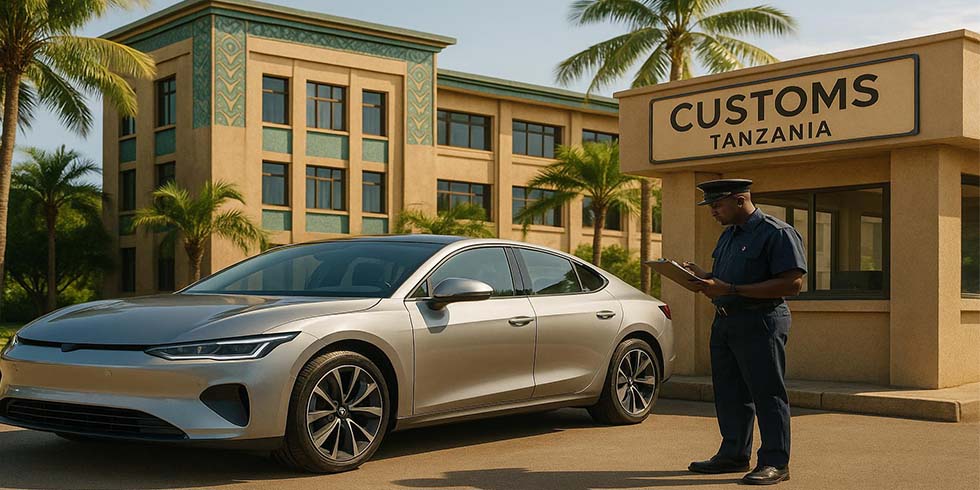
Tanzania has taken a significant step towards expanding its industrial and automotive sector with the inauguration of its first locally based electric vehicle assembly plant in Dar es Salaam. The project is being developed by Plug & Ride (EA) Company Limited, a joint venture between India’s Shakti Green Energy (Mangal Eco Group) and Tanzania’s Utegi Technical Enterprises. This initiative marks an important development for electric mobility and local vehicle manufacturing in East Africa.
With the first batches of completely knocked-down (CKD) kits entering the assembly process, the new facility is expected to support the transformation of Dar es Salaam’s urban transport sector. Local EV production could offer an alternative to imported petrol-powered vehicles, creating new opportunities for daily commuters, three-wheeler (bajaji) operators and transport businesses through cleaner and potentially more affordable mobility solutions.
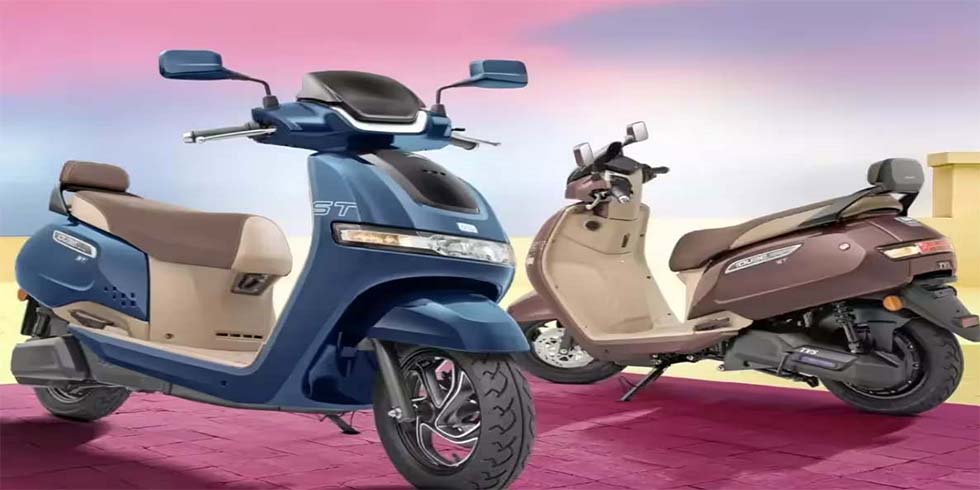
Situated in Dar es Salaam, the US$7 million joint-venture project aims to manufacture electric mobility solutions suited to Tanzania’s local road and transportation needs. Rather than focusing on premium electric cars, the facility will prioritize practical vehicles for everyday commercial and public transport, including electric three-wheelers (bajajis) assembled from CKD kits for urban passenger services, electric motorcycles (piki-pikis) for commercial taxi operators and delivery fleets, and specialized commercial vehicles such as compact electric cargo vans, community shuttles and district utility vehicles.
In addition to vehicle assembly, the project aims to strengthen local technical capabilities through technician training programmes, after-sales service facilities and battery support services, contributing to the development of Tanzania’s domestic automotive and electric mobility industry.
Tanzania is encouraging electric mobility through its 2026/27 national budget, which exempts EV charging equipment from VAT and promotes electric vehicles in public-sector procurement. EWURA has also introduced guidelines for EV charging and battery-swapping facilities, while companies such as Dow Elef Auto EV are expanding charging networks and electric transport services. Despite this progress, EV adoption remains below 3% of total trips in Tanzania, compared with around 20% in Kenya. Local EV manufacturing is expected to reduce vehicle costs and support wider adoption across East Africa.
Tanzania has traditionally depended on used vehicle imports, particularly from Japan, with an eight-year age limit and mandatory pre-shipment inspections for imported cars. The introduction of locally assembled EVs offers an alternative to conventional petrol vehicles by avoiding certain import-related costs and restrictions. Electric vehicles also offer lower maintenance requirements and better access to locally available spare parts through domestic manufacturing. This shift could provide more affordable and sustainable transport options for Tanzanian commuters and commercial fleet operators.
Electric mobility in Tanzania is expanding beyond urban transport into the eco-tourism sector. Electric safari vehicles are being introduced in destinations such as the Serengeti and Ngorongoro Crater, offering quieter and cleaner wildlife tours. With the growth of local EV manufacturing, Tanzania could also develop the technical expertise needed to assemble and convert electric safari vehicles domestically, supporting sustainable tourism and the local automotive industry.
The opening of Tanzania’s first EV assembly plant represents an important step towards strengthening local manufacturing and modernizing the transport sector. With electric bajajis, commercial vans and passenger vehicles planned for local production, the project aims to promote cleaner and more affordable mobility in Dar es Salaam. It also reflects Tanzania’s growing focus on domestic vehicle manufacturing rather than depending entirely on imported vehicles.

Add Comment