


A significant change in the way the nation views healthcare delivery, regulation and cultural heritage has been brought about by the Kenyan government's ambitious aim to include traditional medicine into the country's mainstream healthcare system by 2028.
With practitioners working alongside traditional medical experts in national health facilities, the initiative seeks to convert a long-standing unregulated activity into a regulated, evidence-based and cooperative health sub-sector.
The Constitution's robust safeguards for biodiversity and fair benefit-sharing will serve as the framework's pillars, together with safety, scientific rigor, innovation and respect for indigenous knowledge.
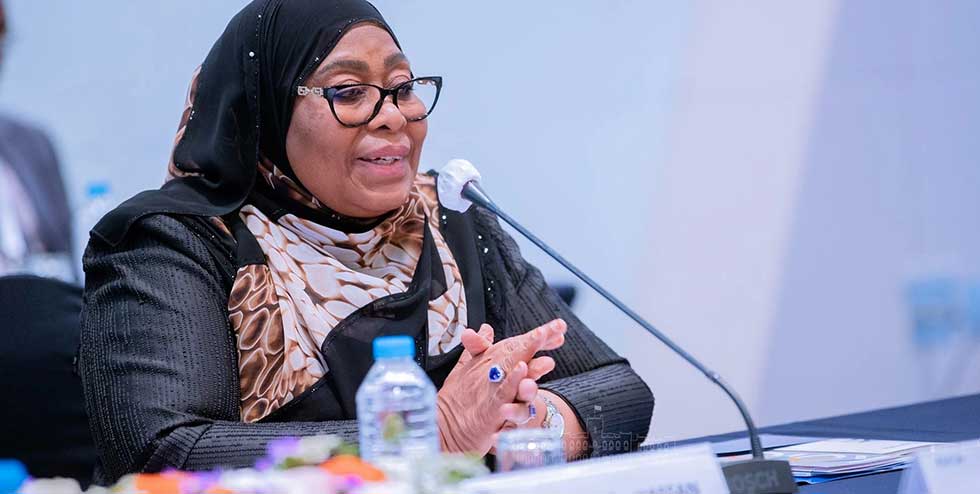
Kenya stands ready to work with Africa CDC, WHO, Member States and partners to unlock Traditional, Complementary and Integrative Medicine’s full potential, ensuring it is safe, regulated, evidence-based and culturally grounded to strengthen health systems and improve lives,” stated Duale,The Health Cabinet Secretary of Kenya at the summit
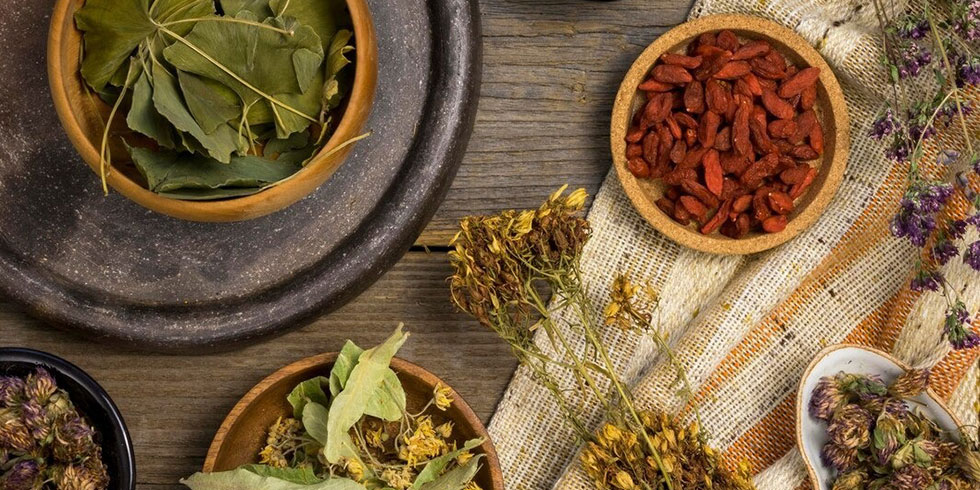
Nowadays, many Kenyans, especially those living in rural regions, rely heavily on traditional medicine, which includes herbalists and indigenous healing techniques, for their daily medical needs. For primary healthcare, an estimated 60–80% of the population turns to traditional healers and medicinal plants including Prunus africana, Warburgia ugandensis and aloe vera, particularly in areas with limited access to conventional facilities.
In order to guarantee coordinated and ideal results, the proposal allowed patients to see both a licensed medical professional and an approved traditional practitioner when they visited a health institution. Both treatment modalities would be recorded in the same medical records. According to officials, this will respect cultural healing systems and enhance patient safety, transparency and continuity of care.
The proposed Traditional Medicine and Medicinal Plant Bill, which will regulate the practice, safeguard consumers and oversee the commercial development of herbal goods, is an essential part of the reform. It is anticipated that the law will control practitioners, set safety and quality requirements, and protect intellectual property rights, particularly for indigenous groups whose traditional knowledge has all too frequently been used without benefit sharing.
Kenya's change is in line with a larger initiative by the WHO and its allies to increase the importance of traditional medicine in national healthcare systems. The World Health Organization defines traditional, complementary and integrative medicine as knowledge and practices based on cultural beliefs that are used for illness diagnosis, treatment and health maintenance.
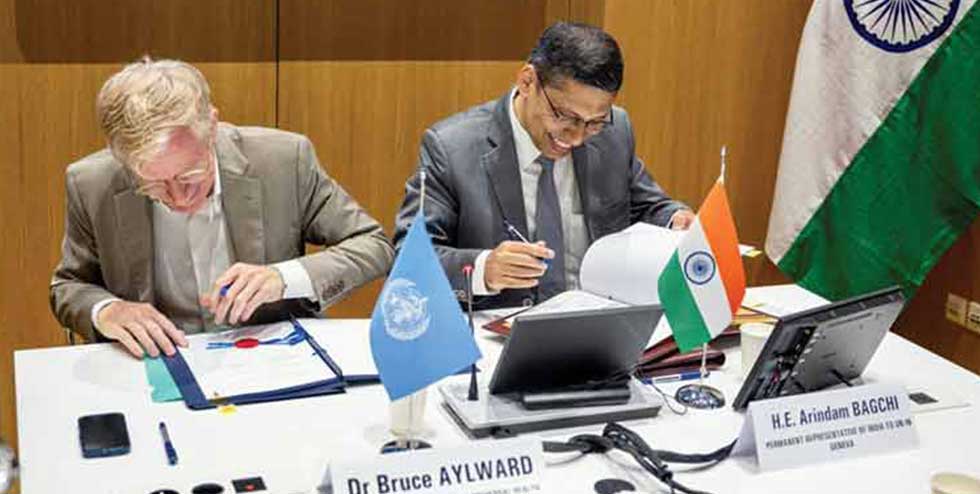
Traditional healers, medical experts and researchers have gathered at forums in counties such as Uasin Gishu to discuss evidence-based cooperation and respect for one another. Another key component of Kenya's approach is international cooperation. Kenya intends to increase regulatory capacity, develop research expertise and broaden practitioner training while maintaining patient safety through collaborations with nations like India, which has extensive experience formalizing traditional medical systems like Ayurveda and yoga.
Kenya's proposal to formalize traditional medicine in 2028 has the potential to establish the nation as a leader in integrative healthcare in the area by fusing traditional knowledge with contemporary medical practices. The program seeks to strengthen the health system as a whole while expanding access, protecting patients, and conserving cultural heritage through strong policy, scientific assistance, and international backing.


Add Comment